
Solar Efficiency Thermal Drone Scans
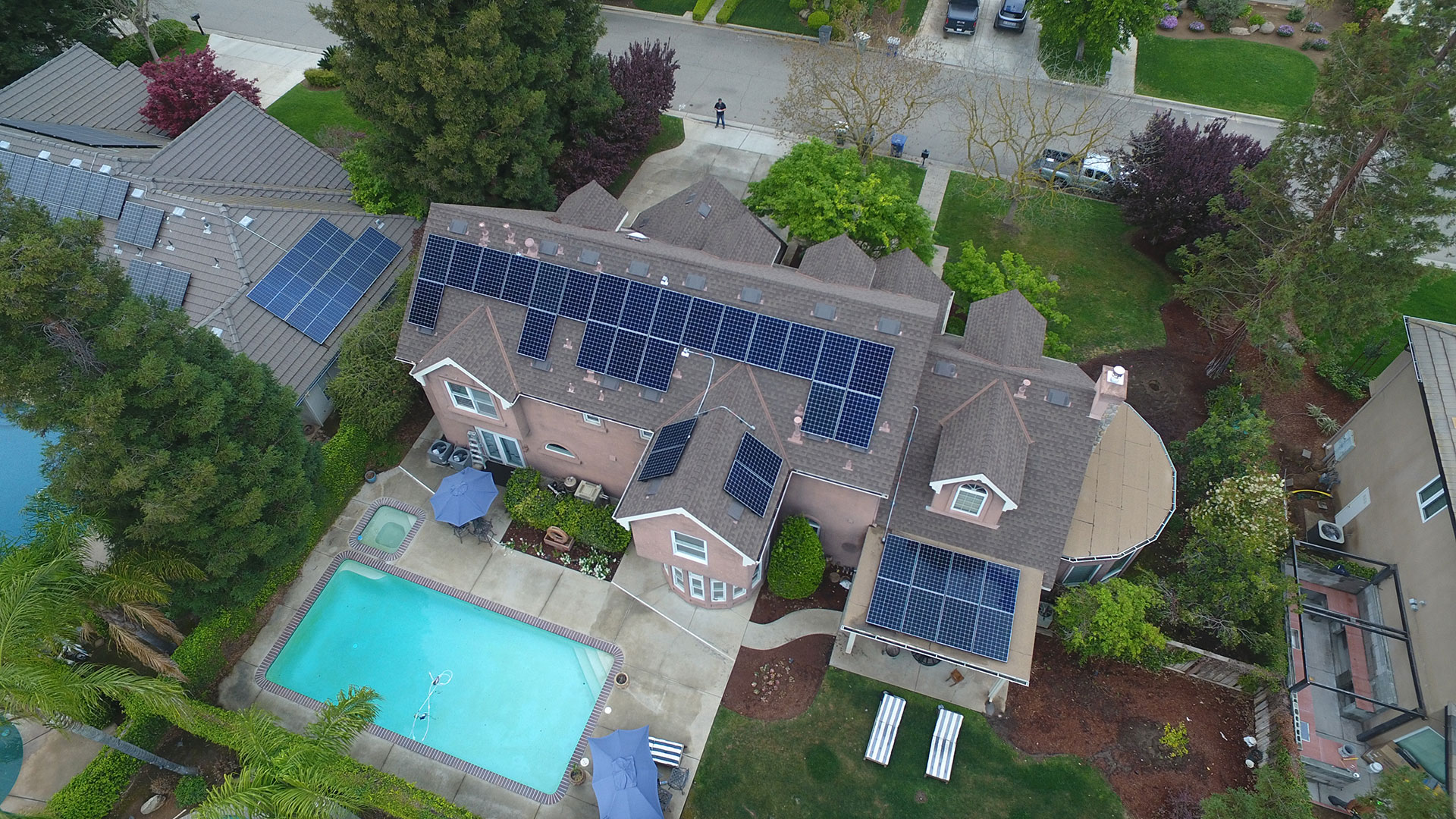
What Causes Solar Panels to Lose Efficiency?
Solar panels can lose efficiency for several reasons that aren’t visible from the ground: hot spots from a failing cell or bad connection, micro-cracks from age or weather, shading from a tree that’s grown in over the years, or gradual degradation that’s normal but worth tracking. A thermal drone scan is the fastest way to see which of these is actually affecting your system, rather than guessing from a higher-than-expected electric bill.
What a Thermal Scan Reveals
A thermal scan shows temperature variation across every panel in your system — a panel or cell running noticeably hotter than its neighbors usually points to a wiring issue, a failing bypass diode, or physical damage, while a uniformly cool, even reading means the system’s performing as expected. We deliver a full thermal report after every scan so you can see exactly what we found, not just a pass/fail summary.
Benefits
Why a Thermal Scan Is the Fastest Way to Catch Efficiency Loss
Certified Experts
Each of one of our solar professionals is certified and trained to install, repair, and consult on your solar panel system.
Savings Guarantee
We promise you’ll save money by the end of the year—guaranteed. If your solar bill isn’t lower than your utility costs, we’ll cover the difference, add panels, or refund your money.
Workmanship Guarantee
When you hire our solar professionals, our work comes with a promise that we’ll cover any mistake by our team for up to 25 years.
Dedicated to Local Results
Founded in the Central Valley, our family-owned company is dedicated to helping homeowners and businesses across California take advantage of solar energy systems.
Testimonials
Trusted by your Neighbors Across Central Valley
FAQ
Efficiency & Thermal Scan FAQs
Does temperature affect solar panel efficiency?
Yes — solar panels lose a small percentage of efficiency as they heat up, which is why panel spec sheets list a “temperature coefficient.” In the Central Valley’s hot summers, this means panels can produce slightly less per rated watt on the hottest afternoons than their rating suggests, though we factor local temperature patterns into every system size we recommend.
Do dirty or dusty solar panels lose efficiency?
Yes, though usually less than people expect — a light layer of dust typically costs a few percent of output, while heavy buildup from bird droppings, wildfire ash, or a long dry stretch can have a bigger impact. Rain does most of the cleaning naturally, but our Central Valley summers can go months without a real wash. We recommend a periodic visual check and occasional cleaning during long dry stretches.
Do solar panels lose efficiency over time?
Yes, but slowly — most panels degrade at roughly 0.3%–0.5% per year, meaning a panel rated at 20% efficiency new is still producing close to 17%–18% of its original output after 25 years. Manufacturer performance warranties are built around this expected decline. We review degradation rates for the specific panels we quote so you know what to expect over the life of your system.
How do I know if my solar panels are underperforming?
Signs your system may be underperforming include a noticeable drop in your production dashboard, an unexpectedly high electric bill despite normal usage, or visible debris, damage, or new shading on the panels. Because a failing connection, wiring issue, or hot spot often isn’t visible from the ground, we recommend a monitoring review or a thermal drone scan to pinpoint the exact cause rather than guessing.


